
The Work of Growing Up
Letters from the Whitefield Academy Counselors
This originally appeared in the 2026 Whitefield Magazine.
Growing up doesn’t come with a manual, but it often comes with questions. Our Lower School, Middle School, and Upper School counselors share letters of encouragement, perspective, and practical guidance for parents navigating each stage of development. From early childhood routines to the teen years and everything in between, these reflections offer steady reassurance that growth is both normal and ongoing, and that no family is walking through it alone.
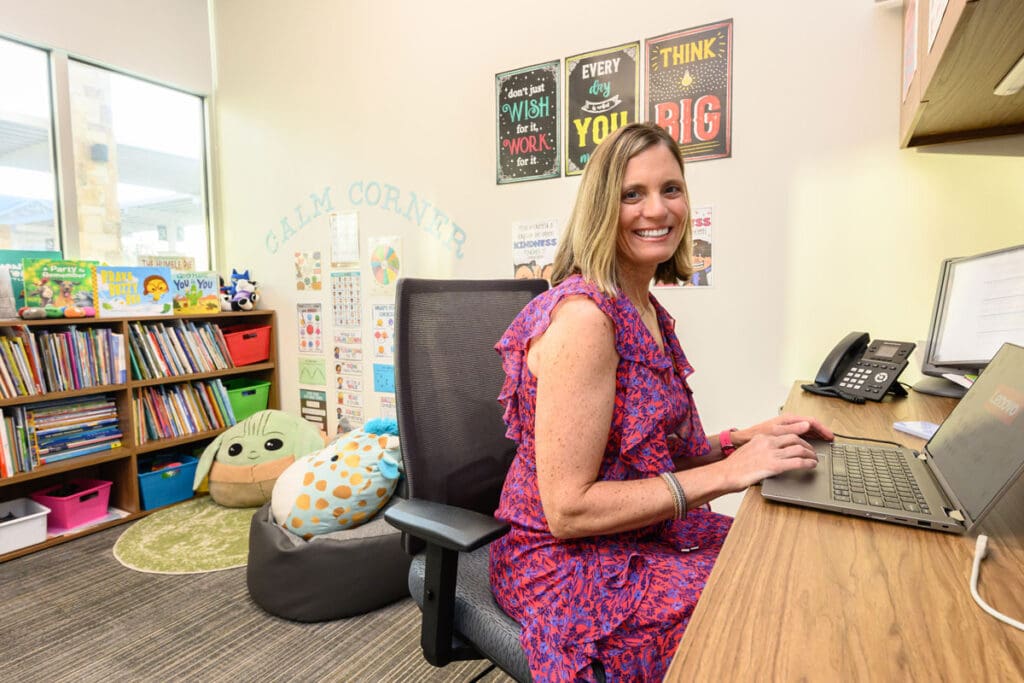
DEAR KATY
Is something wrong, or is this just part of growing up?
For Lower School parents, that question can surface quickly when a child struggles with directions, resists a new routine, or falls apart after school. The encouraging truth is that many of these moments are not only common but expected. Young children are learning how to function in structured classrooms, manage transitions, and build relationships outside the home, and that adjustment often takes time.
It is also very normal for a child to hold it together at school and then unravel at home. After a long day of focus, effort, and self-control, home becomes the safe place where emotions finally spill out. Those after-school meltdowns are usually not a sign that something is wrong. More often, they are a sign that your child has been working very hard.
In this season, small and steady support at home makes a big difference. Sleep, downtime, and unstructured play help children reset, while learning to name feelings and talk about emotions helps build the foundation for self-regulation. When children struggle without yet having the words for it, calm reassurance and simple validation often matter more than lengthy explanations.
Over time, phases usually pass, but when a concern continues across settings and begins to affect learning or daily life, it may be time to seek extra support. Above all, parents can take a deep breath and worry a little less about perfect performance, especially academically. These early years are not about mastering everything; they are about helping children grow in confidence, curiosity, resilience, and self-understanding.
Even when this stage feels messy, important growth is happening, and you are doing meaningful work.
– Katy Weihe, B.A., M.S.W.
Lower School Counselor
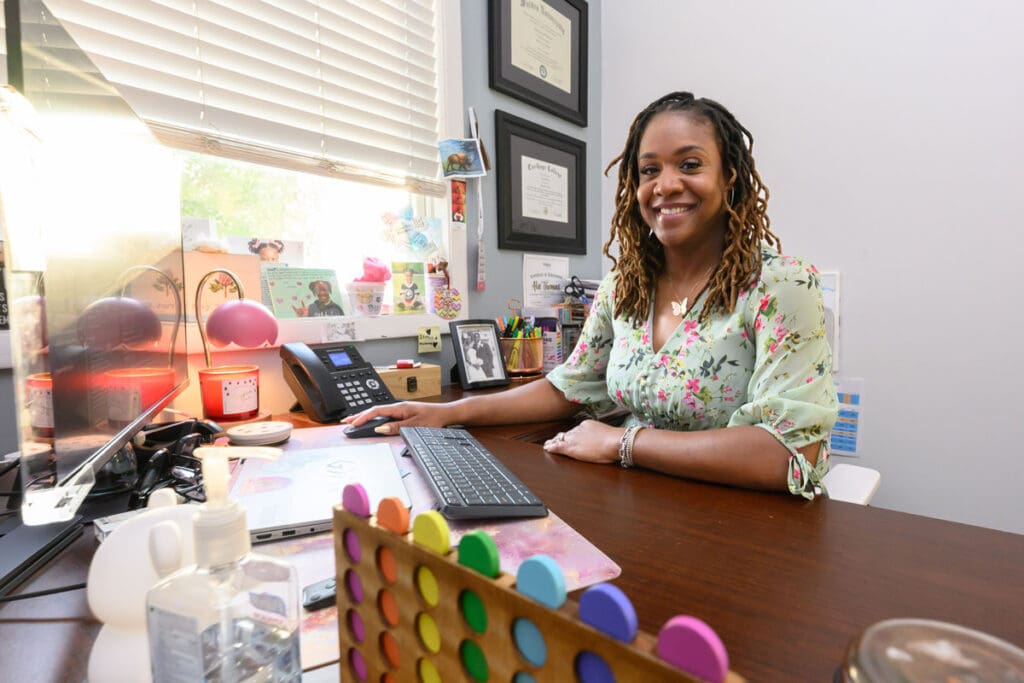
DEAR ALLIE
Is what my middle schooler doing considered normal?
It is one of the most common questions parents ask, especially during a season marked by growth spurts, mood swings, shifting friendships, and children who can suddenly seem unfamiliar. Middle School is a time of enormous hormonal, social, and emotional change, and it often leaves parents wondering not only about their child’s behavior, but about their own parenting.
In this stage, one of the healthiest shifts a parent can make is to value relationship over control. Children at this age want more independence, but they still need steady, calm, consistent connection through simple moments like car rides, shared meals, or brief check-ins. When parents stay present without hovering, they create the kind of safe relationship Middle Schoolers still deeply need.
That same steady presence matters in every part of family life, from technology use to academics to friendships. Screens should be approached with awareness and healthy boundaries, not panic, since children need adults nearby to help them navigate an online world designed to capture attention. As students prepare for Upper School, they also need practice with prioritizing responsibilities, managing activities, and protecting sleep, which is essential for learning, emotional regulation, and growth.
Socially, parents can take heart: Middle School is still a safe place for children to make mistakes, reflect, and build resilience under the support of home. More than perfection, this season is about growth, guidance, and learning. The good news is that our students are being shaped by strong foundational values, which will continue to guide them as they mature.
You are doing better than you think, and so are your children.
My door is always open.
– Alie Thomas, B.A.
M.S. Middle School Counselor
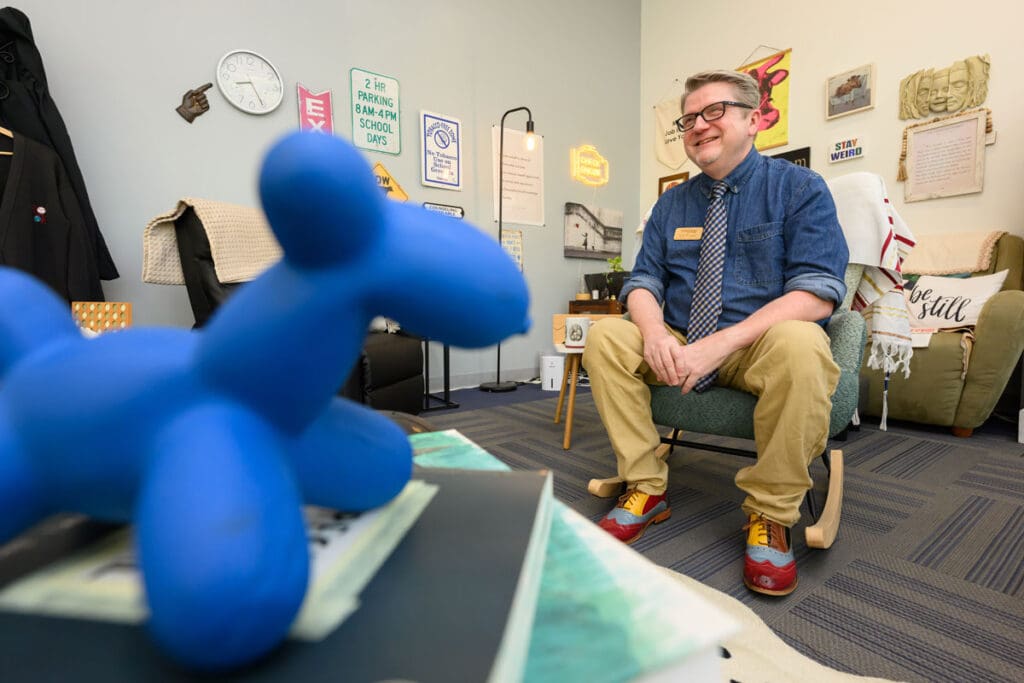
DEAR JEFF
How do I know when to worry?
These are the questions that so often sit beneath parenting a teenager. Upper School students are changing quickly, and the emotional intensity of these years can make every shift feel significant. Teens often experience real highs and lows, sometimes in the same day, and one of the most helpful things parents can watch is not just the behavior itself, but how long it lasts.
A hard day or even a hard week can feel overwhelming without pointing to a deeper crisis. In the middle of that uncertainty, it helps to stay engaged without making every conversation feel like an evaluation. Remembering what it felt like to be a teenager can go a long way. Their stress is real, even when it looks different from adult stress, and our tone, words, and reactions often stay with them longer than we realize. When we misstep, a quick apology models humility, repair, and the kind of grace teenagers need to both receive and learn to give.
At the same time, teenagers need steady support as they learn to carry growing responsibility. They are juggling academics, friendships, identity, and future plans while still developing the skills to manage them well. Families can help by creating calm, predictable rhythms, especially around conversations about school, college, and other non-emergency concerns, so that pressure does not dominate daily life.
As independence grows, oversight should ease gradually, with room for mistakes and recovery along the way. Those moments of failure, though uncomfortable, often build resilience more effectively than constant protection. Parents can also take comfort in remembering that a child’s future is not determined by immediate success, financial or otherwise. Meaningful work, purpose, and maturity take time.
More than anything, students need to know they are loved, known, and not walking through this season alone. Neither are you.
– Jeff Peoples, B.S.Ed. M.A.T.
Upper School Counselor